



How to Choose the Right Electric Hoist for Your Business: A US Buyer’s Guide
April 28, 2026
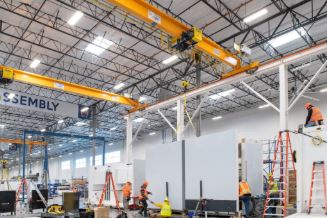
Choosing the right electric hoist for your business is essential for maintaining safe, efficient, and reliable lifting operations. Whether you operate in manufacturing, warehousing, construction, automotive service, or heavy industry, electric hoists provide a powerful and dependable solution for handling heavy loads while reducing manual labor and safety risks.
This guide outlines the key factors to consider when selecting an electric hoist to ensure it meets your operational, safety, and regulatory requirements in the United States.
What Is an Electric Hoist?
An electric hoist is a motor‑driven lifting device designed to raise, lower, and position heavy loads with precision and control. Powered by electricity, electric hoists are widely used in industrial and commercial environments where repeated or frequent lifting is required.
Electric hoists are available in several configurations, including electric chain hoists and electric wire rope hoists, and can be installed in a variety of mounting arrangements to suit different facilities, workflows, and applications.
Key Factors to Consider When Choosing an Electric Hoist
Load Capacity
The most critical factor when selecting an electric hoist is ensuring it can safely handle your maximum load weight, including any lifting attachments or rigging.
Never exceed the rated capacity of a hoist—overloading can result in equipment failure, increased maintenance costs, and serious safety hazards. Electric hoists are available in capacities ranging from several hundred pounds to hundreds of tons, depending on the application.
Always consult engineering or lifting specialists if load weights vary or are not clearly defined.
Lifting Height
Lifting height refers to the vertical distance the hoist must raise and lower a load. This measurement should include clearance requirements and any structural limitations within your facility.
Choosing the correct lifting height ensures smooth operation and prevents unnecessary wear on the hoist or lifting medium.
Duty Cycle
The duty cycle indicates how often and how intensively the hoist will be used during a typical work period. It accounts for:
- Frequency of lifts
- Load weights
- Duration of each lift
Hoists used in high‑duty or continuous operations require higher duty ratings to prevent overheating, excessive wear, and premature component failure. Selecting the correct duty classification is essential for long‑term reliability and safety.
Lifting Speed
Lifting speed directly impacts productivity.
- Higher lifting speeds are ideal for high‑volume or time‑sensitive operations.
- Slower lifting speeds provide greater control for precision handling or fragile loads.
Many industrial electric hoists offer multiple speed options, allowing operators to balance productivity and accuracy.
Power Supply
In the United States, most industrial electric hoists operate on three‑phase power, typically 230V, 460V, or 480V. Some lighter‑duty hoists may be available with single‑phase power.
Ensure the hoist is compatible with your facility’s electrical supply to avoid installation delays or additional infrastructure costs.
Mounting Options
Electric hoists can be installed in several configurations depending on your facility layout and material flow:
- Hook‑Mounted Hoists
Easy to install and relocate, ideal for flexible or temporary lifting needs. - Trolley‑Mounted Hoists
Designed to travel along a beam or runway, offering horizontal load movement. - Fixed‑Mounted Hoists
Best suited for permanent lifting stations or dedicated processes.
Control Systems
Modern electric hoists are available with a range of control options, including:
- Pendant controls
- Radio or wireless remote controls
- Integrated crane or automation systems
Choose a control system that supports operator safety, workflow efficiency, and regulatory compliance.
Safety and Compliance in the United States
Electric hoists used in the US must meet applicable safety and regulatory standards, including:
- OSHA regulations (Occupational Safety and Health Administration)
- ASME B30 standards for overhead lifting equipment
- ANSI requirements for industrial machinery
- UL‑listed electrical components, where applicable
Important safety features to look for include:
- Overload protection
- Upper and lower limit switches
- Emergency stop functionality
- Thermal motor protection
Routine inspections, operator training, and preventive maintenance are essential to maintaining compliance and ensuring safe operation throughout the hoist’s service life.
Cost vs. Long-Term Value
While electric hoists typically have a higher initial investment than manual lifting solutions, they deliver substantial long‑term value, including:
- Increased operational efficiency
- Reduced labor costs
- Improved workplace safety
- Longer service life with proper maintenance
When evaluating hoist options, consider total cost of ownership, including warranty coverage, spare parts availability, service support, and manufacturer experience.
Industry Applications
Electric hoists are used across a wide range of industries, including:
- Warehousing and Distribution – lifting pallets, crates, and equipment
- Manufacturing – supporting assembly lines and material handling
- Automotive – engine lifting and component positioning
- Construction – lifting tools, materials, and prefabricated assemblies
Choosing the right hoist helps optimize production flow while reducing downtime and risk.
Conclusion: Invest in the Right Electric Hoist
Selecting the right electric hoist is about more than lifting capacity—it’s about matching the equipment to your application, ensuring compliance with US safety standards, and maximizing operational efficiency.
By carefully assessing your requirements and working with a trusted manufacturer, you can invest in a hoist solution that delivers reliable performance for years to come.
Looking for expert guidance or a customized solution?
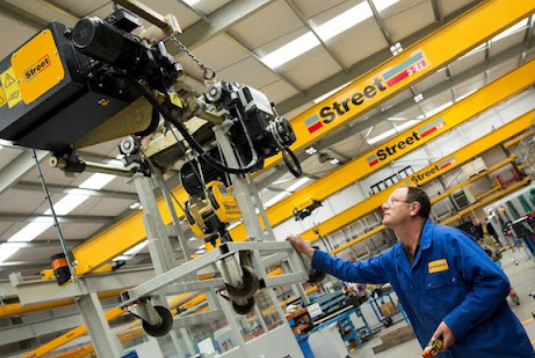
Contact Street Crane US today to discuss your application or request information on our LX Electric Chain Hoists, ZX Electric Wire Rope Hoists, or VX Built Up Hoists.
This site is registered on wpml.org as a development site. Switch to a production site key to remove this banner.